Environmental Sciences
-
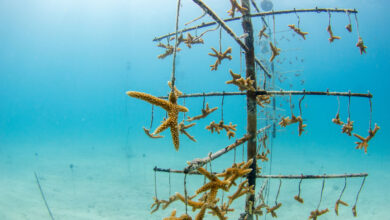
Fake fog, ‘re-skinning’ and ‘sea-weeding’ could help coral reefs survive
Erinn Muller should have reason to despair. The marine biologist studies coral health in Florida, a state whose reefs have…
Read More » -
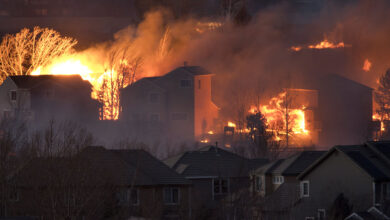
Grassland and shrubland fires destroy more U.S. homes than forest fires
Forest fires can devastate vast swaths of land, but in the United States, another category of conflagrations takes the title…
Read More » -
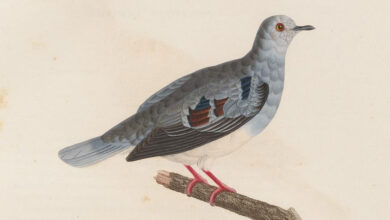
Scientists eavesdrop on a South American forest to find a missing bird
How do you look for an animal you don’t even know exists anymore? The last sighting of the purple-winged ground…
Read More » -
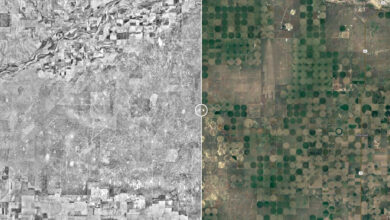
Landscape Explorer shows how much the American West has changed
With the click of a mouse, a new mapping tool shows how places in the American West have changed over…
Read More » -
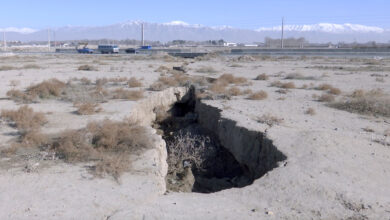
Many but not all of the world’s aquifers are losing water
The world’s precious stash of subterranean freshwater is shrinking — and in nearly a third of aquifers, that loss has…
Read More » -
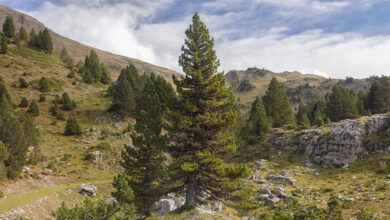
Ancient trees’ gnarled, twisted shapes provide irreplaceable habitats
Earth’s oldest, knotted and scarred pine trees are a boon for forest life. These old mountain pines (Pinus uncinata) offer…
Read More » -
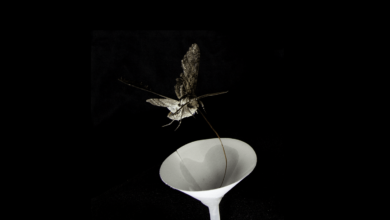
How air pollution can make it harder for pollinators to find flowers
Air pollution may blunt the signature scents of some night-blooming flowers, jeopardizing pollination. When the aroma of a pale evening…
Read More »