The Future of the Automobile Sector in the USA
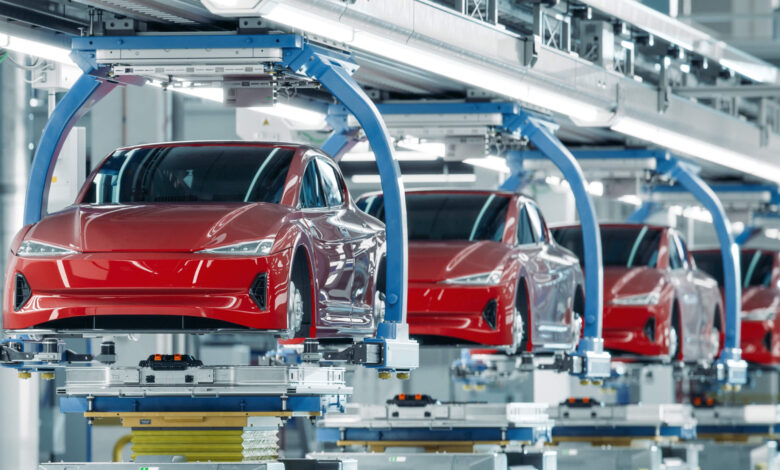

The automobile industry in the United States is on the edge of a major shift. With new technologies and changing customer preferences, car manufacturers are rethinking how vehicles are designed, built, and sold. This transformation is driven by innovation, sustainability, and a push for smarter transportation.
Rise of Electric Vehicles (EVs)
One of the biggest changes is the shift from gas-powered cars to electric vehicles. Thanks to better battery technology, lower costs, and government incentives, more Americans are choosing EVs. Companies like Tesla, Ford, and GM are investing heavily in this space.
In addition, charging infrastructure is improving across the country. This means EVs are becoming more practical for everyday use. Over time, experts believe that electric cars will make up a large share of new vehicle sales.
Autonomous Driving and AI
Self-driving technology is also shaping the future. Many companies are testing autonomous vehicles on public roads. While full autonomy is still being perfected, features like adaptive cruise control and lane-keeping assist are already common in modern cars.
AI is playing a big role too. It helps vehicles learn from real-world driving data, which improves safety and performance. In the coming years, AI could make driving safer, easier, and more efficient.
Connected and Smart Vehicles
Cars are no longer just machines, they are becoming smart devices. Vehicles today come with features like internet connectivity, voice assistants, and real-time traffic updates. This trend is likely to grow, allowing cars to communicate with each other and even with traffic signals.
These technologies aim to reduce accidents and improve traffic flow. In fact, connected cars may one day be part of a fully integrated transportation network.
Sustainable Manufacturing and Materials
As demand for green products grows, automakers are focusing on sustainability. Many companies now use recycled materials, energy-efficient factories, and greener supply chains. These steps help reduce the environmental impact of car production.
Sustainable practices are also helping brands appeal to eco-conscious customers. It’s not just about how cars run, but how they are made.
Urban Mobility and Changing Habits
People’s travel habits are also changing. In cities, more people are choosing rideshare services, electric scooters, or public transit. As a result, car ownership is slowly declining in urban areas.
To adapt, automakers are exploring new models like subscription services, shared mobility, and flexible leasing. These changes could redefine how we use vehicles in everyday life.
Conclusion
The future of the automobile sector in the USA is dynamic and full of potential. From electric cars and self-driving tech to sustainable manufacturing and smart features, the industry is evolving fast.
While challenges remain, one thing is clear: innovation will continue to drive the American car industry forward.