What Is Generative AI and Why It Matters Today
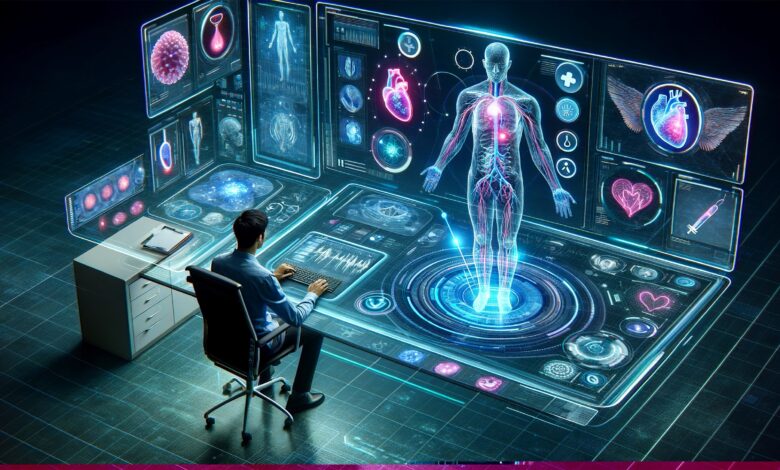

Generative AI is one of the most exciting and rapidly advancing technologies in the world today. From creating realistic images to writing articles, composing music, and even designing products, Generative AI is transforming how we work, create, and interact with machines.
What Is Generative AI?
Generative AI refers to artificial intelligence models that can create new content rather than just analyzing existing data. Unlike traditional AI, which might classify or detect patterns, generative AI produces entirely new outputs, such as text, images, code, audio, or video, based on the data it was trained on.
Examples of generative AI include:
- ChatGPT: Writes essays, emails, stories, and even code.
- DALL·E and Midjourney: Generate images from text prompts.
- MusicLM: Composes original music tracks.
- Runway and Sora: Create realistic AI-generated videos.
How Does Generative AI Work?
Generative AI models use advanced machine learning techniques, especially deep learning and neural networks. One of the most common methods is a Generative Adversarial Network (GAN), where two models, one that generates content and another that evaluates it, compete until the output becomes highly realistic.
Other popular models include:
- Transformer-based models like GPT (for text) or Stable Diffusion (for images).
- Variational Autoencoders (VAEs) for creating smoother, more structured outputs.
Where Is Generative AI Used Today?
Generative AI is being adopted across industries:
1. Content Creation
Writers, marketers, and creators use tools like ChatGPT to draft blogs, captions, and scripts, saving time and boosting productivity.
Explore how OpenAI is leading the development of generative AI technologies.
2. Design & Art
Artists and designers generate concept art, illustrations, and branding materials using AI tools, making the creative process faster and more collaborative.
3. Software Development
AI can generate code snippets, assist in debugging, and even help build full applications.
4. Healthcare
AI generates synthetic medical images for training or simulates patient data for research without compromising privacy.
5. Gaming and Entertainment
Developers use AI to create game assets, characters, dialogue, and dynamic storytelling.
6. Education
Educators use AI to create custom learning materials, quizzes, or explain complex topics in simpler ways.
Benefits of Generative AI
- Speed: Creates content in seconds.
- Cost-Efficiency: Reduces need for manual work.
- Scalability: Can generate thousands of variations with ease.
- Innovation: Sparks new ideas and creativity across fields.
DeepMind’s advances in generative models show the expanding reach of AI.
Challenges and Ethical Concerns
Despite its advantages, generative AI raises important questions:
- Misinformation: Deepfakes and fake news are easier to produce.
- Bias: AI can reflect the biases of its training data.
- Plagiarism: Content generated may resemble original work too closely.
- Job displacement: Concerns exist about automation replacing certain roles.
To address these issues, responsible development and regulation are crucial.
The Future of Generative AI
Generative AI is still evolving. As it gets better at understanding context and creativity, we may see it:
- Co-authoring books and films.
- Powering hyper-personalized marketing.
- Designing buildings or clothing.
- Assisting in scientific discovery.
However, human guidance will remain essential. The best outcomes come when humans and machines work together.
NVIDIA’s research shows how GPUs power generative AI.
Conclusion
Generative AI is reshaping the digital world. It empowers creators, streamlines workflows, and opens up new possibilities. While challenges exist, its potential to augment human creativity is undeniable. The future of AI isn’t just about automation, it’s about imagination.